However, there remains a significant gap between expectation and confirmation. While President Trump has publicly expressed confidence that the agreement is imminent, Iranian authorities have not officially endorsed the timeline outlined by the U.S. President. Reuters has reported that Iranian officials acknowledge progress in negotiations but maintain that no final approval has yet been granted by the relevant decision-making bodies in Tehran.
This distinction is important. Over the past few weeks, President Trump has on multiple occasions suggested that an agreement with Iran was close. Yet, those expectations did not translate into a finalized deal. Consequently, the latest announcement, while potentially significant, should be viewed with cautious optimism rather than certainty.
Will the Strait of Hormuz Reopen? Diplomacy and Conflict Collide in the Middle East
Examining the diplomatic signals, strategic interests, and regional consequences surrounding one of the world's most critical maritime chokepoints.
By Abhinav Mudaliar
Chief Analyst, The Centre
14 June 2026 • 7:00 PM IST • 7 min read
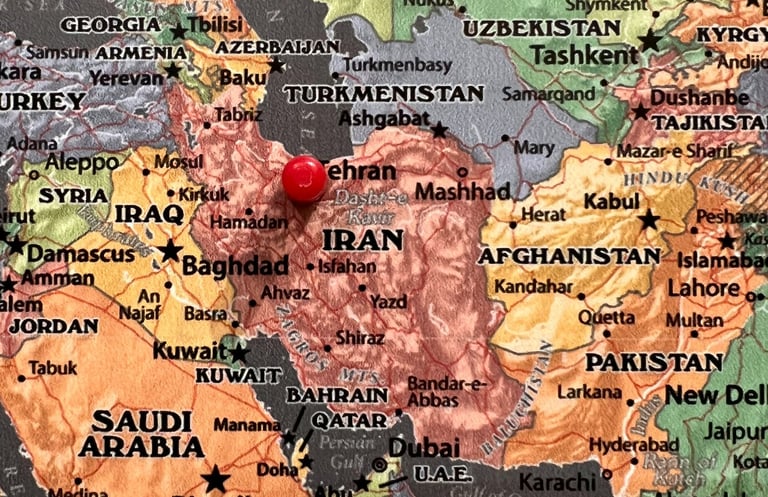
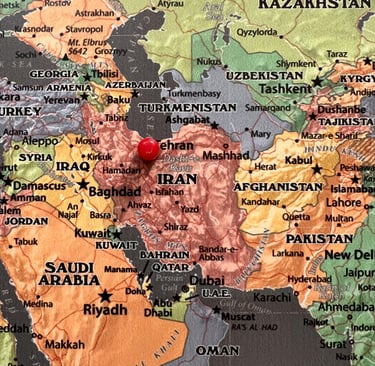
The possibility of the reopening of the Strait of Hormuz has once again entered global discussions, with U.S. President Donald Trump stating that a new agreement with Iran is expected to be signed soon. According to posts made by Trump on his Truth Social platform, the agreement could pave the way for the immediate reopening of the Strait, one of the world's most critical maritime chokepoints.
At the same time, the broader regional context remains volatile. According to Al Jazeera's ongoing coverage, Israeli military operations continue in southern Lebanon, highlighting the fragile security environment in the Middle East. The continuation of military activity elsewhere in the region raises questions about the durability of any prospective diplomatic breakthrough.
The Strait of Hormuz carries roughly a fifth of the world's seaborne oil trade. Any disruption to shipping through the waterway can have far-reaching implications for energy markets, shipping costs, inflation, and oil-importing countries such as India. Conversely, its reopening could ease concerns over global energy supplies and contribute to greater market stability.
At present, there are stronger indications of a diplomatic breakthrough than at any previous point in recent weeks. Yet the absence of explicit confirmation from Iran means that the reopening of the Strait of Hormuz cannot be treated as a certainty. The story, therefore, is not simply whether a deal is possible. It is whether diplomacy can survive long enough to become reality.
As of publication, President Trump's statements on Truth Social indicate that the United States expects an agreement to be signed soon. Iranian officials, according to Reuters and other international media reports, have adopted a more cautious approach, indicating that discussions remain ongoing. Meanwhile, Al Jazeera continues to report military developments elsewhere in the region.
For now, the world watches and waits.
The Strait of Hormuz may reopen within days. Equally, negotiations could encounter further delays or complications. Until a formal agreement is confirmed by all parties involved, the future of one of the world's most strategically important waterways remains uncertain.