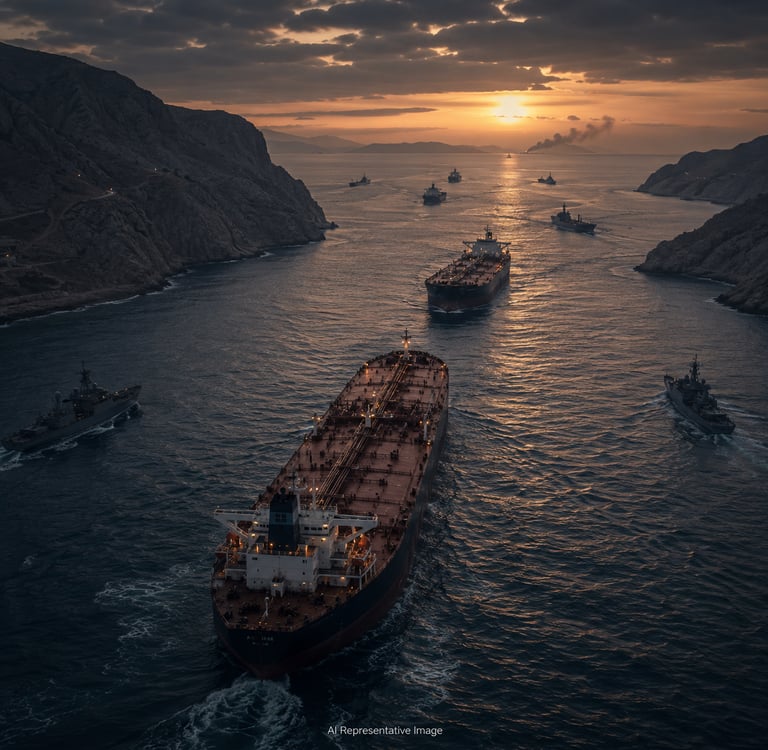
American military operations against Iranian targets have intensified. Iran has responded by increasing pressure around the Strait of Hormuz, while reports of attacks on commercial shipping, disruptions to maritime traffic and an Indian seafarer reported missing demonstrate how quickly a regional confrontation can acquire global consequences. The ceasefire has not merely weakened. It has effectively collapsed.
The Pause Ended. The Dispute Never Did.
Perhaps the biggest mistake was believing that a ceasefire, by itself, could resolve one of the world's most entrenched geopolitical rivalries. The disagreements over Iran's nuclear programme, sanctions, regional influence and security architecture never disappeared. They were simply suspended beneath a temporary military pause. Once that pause ended, the underlying conflict returned almost exactly where it had been left. The region is therefore witnessing not the beginning of a new crisis, but the continuation of one that was briefly interrupted.
Why Diplomacy Was Always Fragile
Military escalation alone does not explain why negotiations failed. The political realities in both countries made compromise exceptionally difficult. In Iran, ultimate authority over strategic and foreign policy decisions does not rest with the elected President alone. The Supreme Leader remains the final decision maker, while institutions such as the Islamic Revolutionary Guard Corps exercise considerable influence over national security. Even if diplomatic openings emerge, translating them into policy is far more complex than in many other political systems.
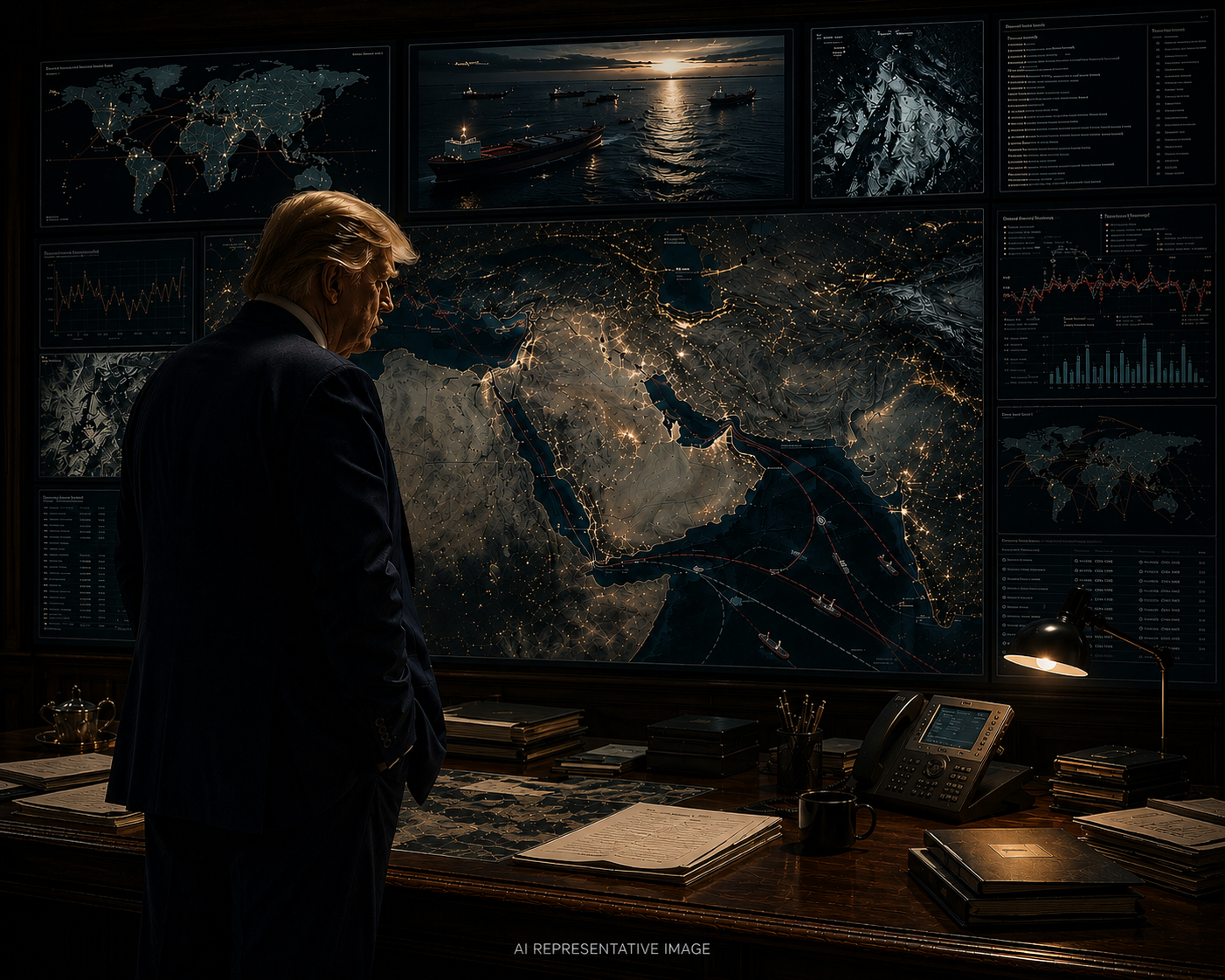
On the American side, President Donald Trump has consistently pursued negotiations from a position of maximum pressure, seeking broad concessions rather than incremental agreements. When one side operates through multiple power centres and the other seeks comprehensive concessions, the room for compromise becomes extremely limited. That combination made the ceasefire fragile from the very beginning.
What began as a fragile pause in hostilities has rapidly deteriorated into one of the most dangerous phases of the U.S.–Iran confrontation. Renewed military strikes, growing risks to international shipping and the collapse of diplomacy suggest the conflict has entered a more unpredictable phase.
By Abhinav Mudaliar
Chief Analyst, The Centre
13 July 2026 • 9:45 PM IST • 7 min read
Only weeks ago, there was cautious optimism that the ceasefire between the United States and Iran could provide an opportunity for diplomacy.
At The Centre, however, our assessment was that the ceasefire was unlikely to become a lasting peace. The issues that had brought Washington and Tehran to the brink of confrontation had not been resolved. The pause reduced military activity, but it did not reduce strategic mistrust.Recent events appear to have validated that concern.
A Different Kind of Strategic Leverage
Former Russian President and Prime Minister Dmitry Medvedev recently argued that Iran's leverage through the Strait of Hormuz is comparable to that of a nuclear weapon.
Whether one agrees entirely with that comparison or not, recent developments have made the argument far more relevant than it initially appeared.
The current conflict demonstrates that Iran's strategic influence is not defined solely by its missile programme or its nuclear ambitions. Its geography itself provides leverage.
The Strait of Hormuz has always been central to the strategic balance in the Gulf. As tensions rise, Tehran's ability to threaten disruption along this route becomes an instrument capable of affecting energy markets, shipping routes and diplomatic calculations across the world.
Future negotiations may therefore need to recognise that Iran's influence is shaped not only by its military capabilities but also by the strategic geography it controls.
The Cost Beyond the Battlefield
The consequences are already extending beyond military targets. Commercial shipping has become increasingly vulnerable. Energy markets remain sensitive. Countries with no direct role in the confrontation, including India, are now facing risks to trade, energy security and the safety of their citizens working in the region. Regional conflicts rarely remain regional when they intersect with global commerce.
The Larger Picture
The collapse of the ceasefire should not be viewed simply as the failure of one agreement. It reflects the deeper difficulty of negotiating between two states whose political systems, strategic objectives and definitions of success are fundamentally different. Temporary pauses can reduce violence. They cannot substitute for political settlements built on enforceable commitments and realistic expectations.
If anything, the latest escalation demonstrates that diplomacy cannot succeed by addressing only military actions while leaving the deeper strategic realities untouched. The ceasefire may have ended. The underlying contest never did.