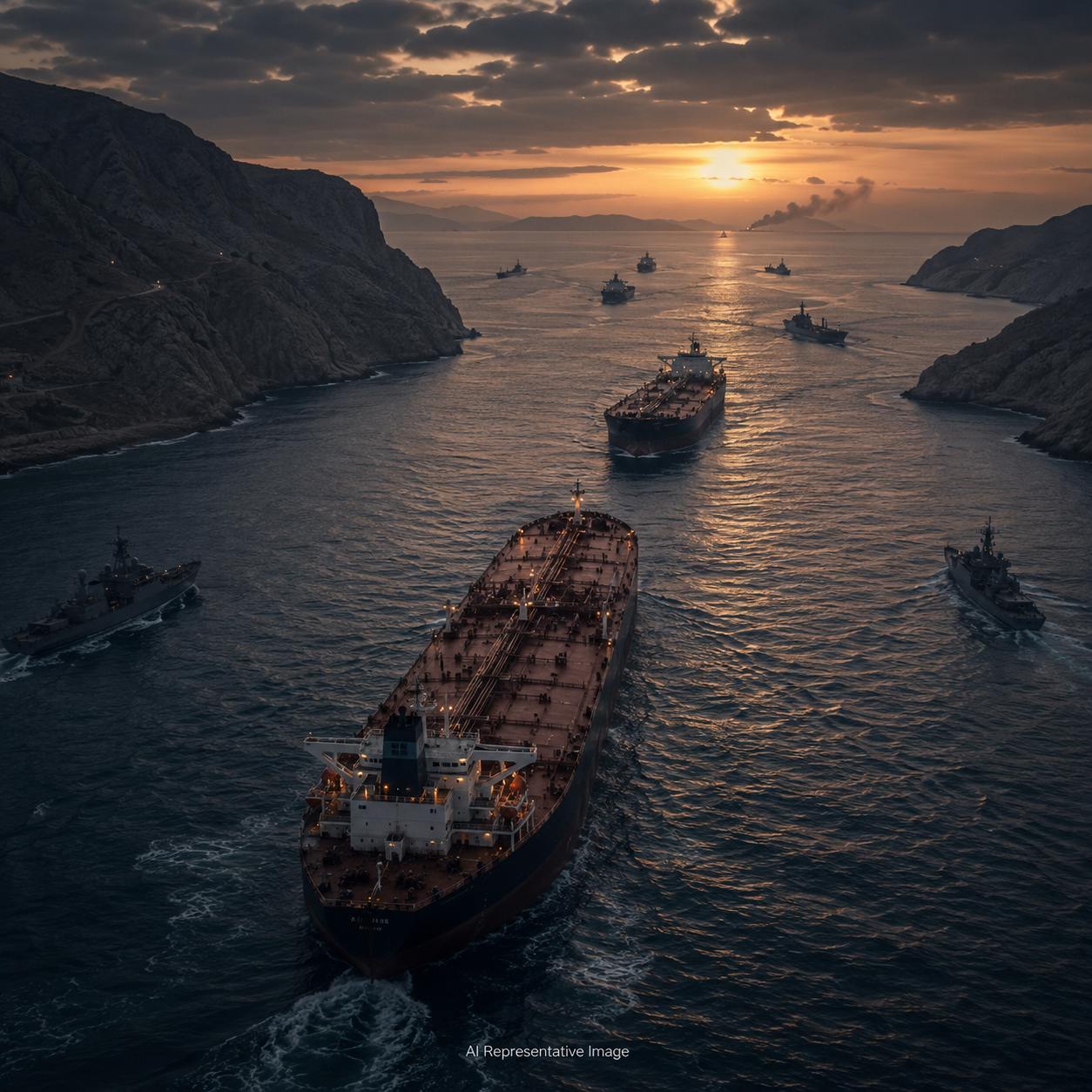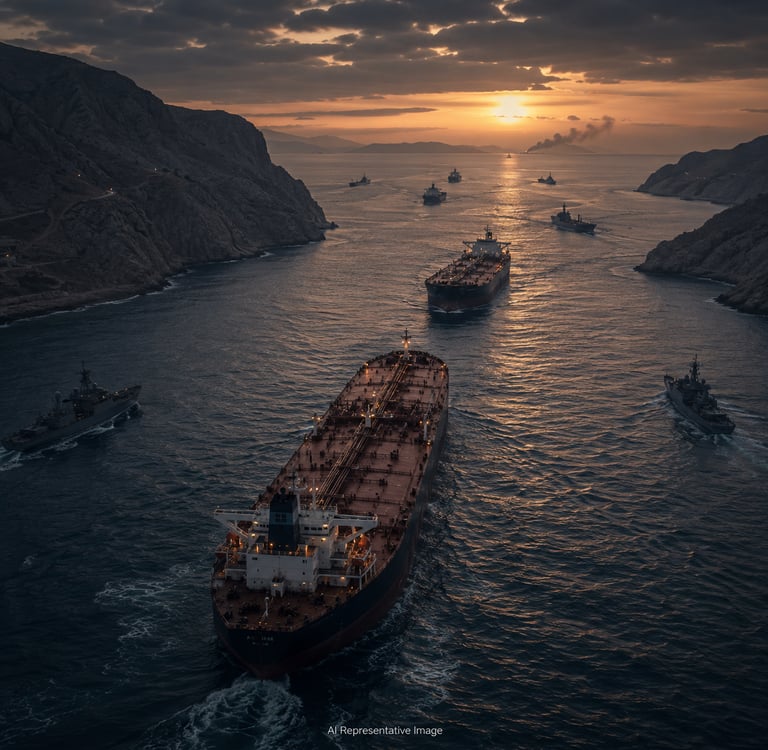
The proposal comes at a time when the Gulf is attempting to reduce tensions after months of military confrontation. More importantly, it reflects an effort to move beyond crisis management towards building institutions that can provide long-term stability.
What Exactly Has Been Proposed?
According to reports, the proposal does not seek to impose mandatory tolls on international shipping. Instead, vessels using the Strait of Hormuz would be encouraged to make voluntary contributions towards services such as navigation management, search and rescue operations, environmental protection and maritime safety. The mechanism would be backed collectively by Gulf states, with Oman acting as the principal mediator. Iran would participate in the framework and receive recognition for its role in securing the waterway, but it would not exercise unilateral control over one of the world's busiest shipping routes. In essence, the proposal attempts to balance Iran's demand for recognition with the Gulf states' insistence that Hormuz remain an internationally accessible corridor.
Why Oman Is Leading the Initiative
Oman has long maintained a reputation as one of the Middle East's most trusted diplomatic intermediaries. Unlike many regional actors, Muscat has consistently preserved working relationships with Iran, Saudi Arabia, the United Arab Emirates and Western governments. That neutrality makes Oman uniquely positioned to broker arrangements that would be politically difficult for others to initiate. By placing this proposal before Tehran, Oman is once again attempting to convert diplomatic credibility into regional stability.
For decades, the Strait of Hormuz has been viewed through the lens of military power, sanctions and strategic deterrence. Now, Oman has placed an alternative on the table. A Gulf-backed proposal offering Iran a role in managing the world's most critical energy corridor through voluntary transit fees suggests that the region may be exploring a new framework, one based less on confrontation and more on shared governance. Whether the proposal succeeds or fails, it reflects an important shift in how the Gulf is beginning to think about security.
By Abhinav Mudaliar
Chief Analyst, The Centre
28 July 2026 • 7:35 PM IST • 6 min read
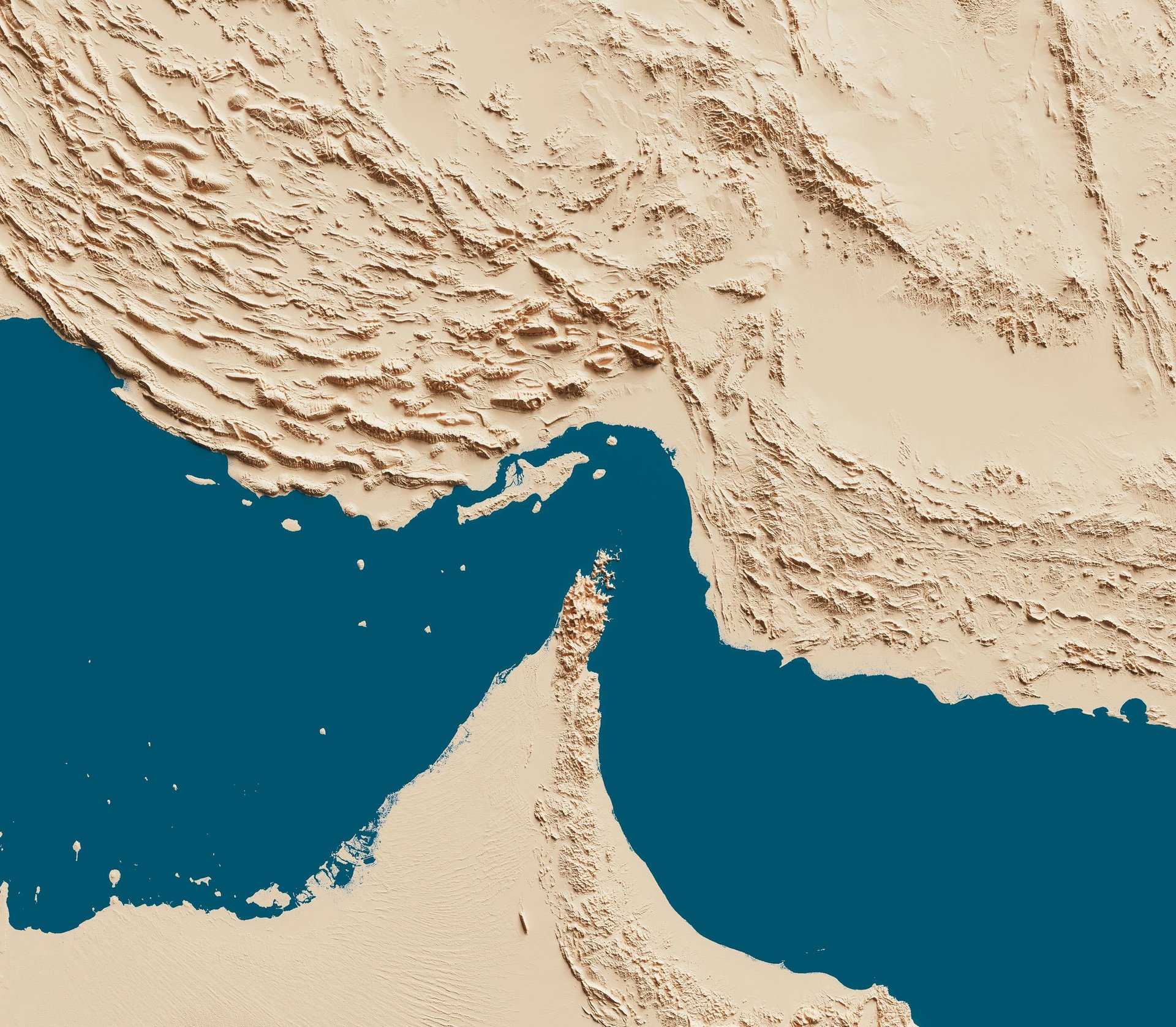
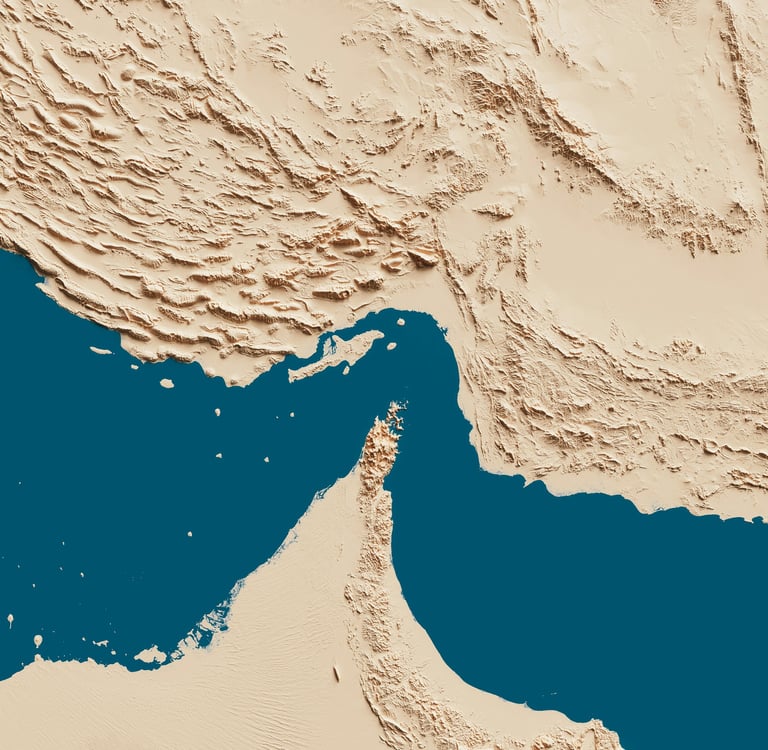
Oman has presented Iran with a Gulf-backed proposal to establish a regional mechanism for managing the Strait of Hormuz, one of the world's most strategically important maritime passages. Instead of focusing solely on military security, the proposal introduces the idea of voluntary transit fees to fund navigation services, maritime safety and emergency response while giving Iran a recognised role within a broader regional framework.
The Real Issue Is Governance, Not Revenue
At first glance, voluntary transit fees may appear to be the central feature of the proposal. In reality, they are only the mechanism. The larger question is who governs one of the world's most important maritime chokepoints.
For years, debates over the Strait of Hormuz have centred on military deployments, sanctions and the possibility of closure during times of conflict. Oman's proposal shifts that conversation towards shared governance. Rather than allowing any single country to dominate the waterway, it seeks to establish a cooperative framework that distributes both responsibility and legitimacy across the region. That distinction matters because markets are influenced not only by military threats but also by institutional confidence.
Implications for Global Trade and Energy
Nearly a fifth of the world's oil trade and a significant share of global liquefied natural gas exports pass through the Strait of Hormuz. Even limited disruptions can increase freight costs, insurance premiums and energy prices across international markets.
If a credible regional mechanism can reduce uncertainty without undermining freedom of navigation, it would benefit not only Gulf producers but also energy-importing economies across Asia, Europe and beyond. For global markets, predictable governance is often as valuable as military security.
What Happens Next?
The proposal remains at an early stage and significant political questions remain unanswered. Iran must decide whether the arrangement provides sufficient recognition of its interests. Gulf states will need to demonstrate sustained unity behind the initiative, while external powers, particularly the United States, will closely assess whether the framework preserves freedom of navigation. Whether the proposal evolves into a formal agreement or remains a diplomatic opening, it has already expanded the conversation beyond military deterrence.
Beyond Hormuz
The significance of Oman's proposal is not the idea of voluntary transit fees. It is the possibility that the Gulf is beginning to imagine a different security architecture. History shows that major conflicts rarely conclude by simply restoring the previous order. They often produce new institutions designed to manage the next phase of peace. If this proposal gains traction, the Strait of Hormuz may become more than a strategic chokepoint, it could become the first test of a new regional model where influence is exercised through cooperation as much as deterrence. For now, the proposal is only an idea. But in geopolitics, ideas often become institutions long before they become headlines.