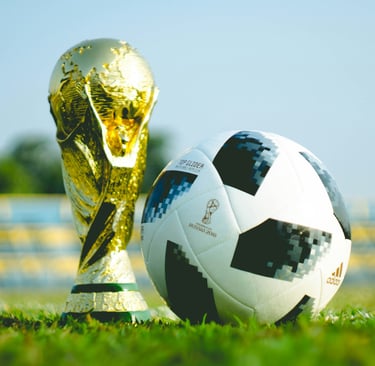
It finally came in the 100th minute when Fernán Torres found the decisive goal, sending the Spanish bench into celebration and leaving Argentina with a mountain to climb.
The Scoreline Hides Spain's Dominance
At first glance, a 1-0 score suggests a closely contested final. The statistics paint a different picture. Spain finished with around 68% possession, completed almost twice as many passes as Argentina and repeatedly controlled territory. More strikingly, Argentina failed to register a meaningful attacking threat for almost the entire match.
Until Spain scored in extra time, Argentina had no shots on target despite having Lionel Messi leading the attack. For a team renowned for its creativity and attacking quality, that statistic is extraordinary. Spain's defensive structure deserves enormous credit. Every passing lane was closed, every attacking move was disrupted and every attempt to build momentum was quickly neutralised.
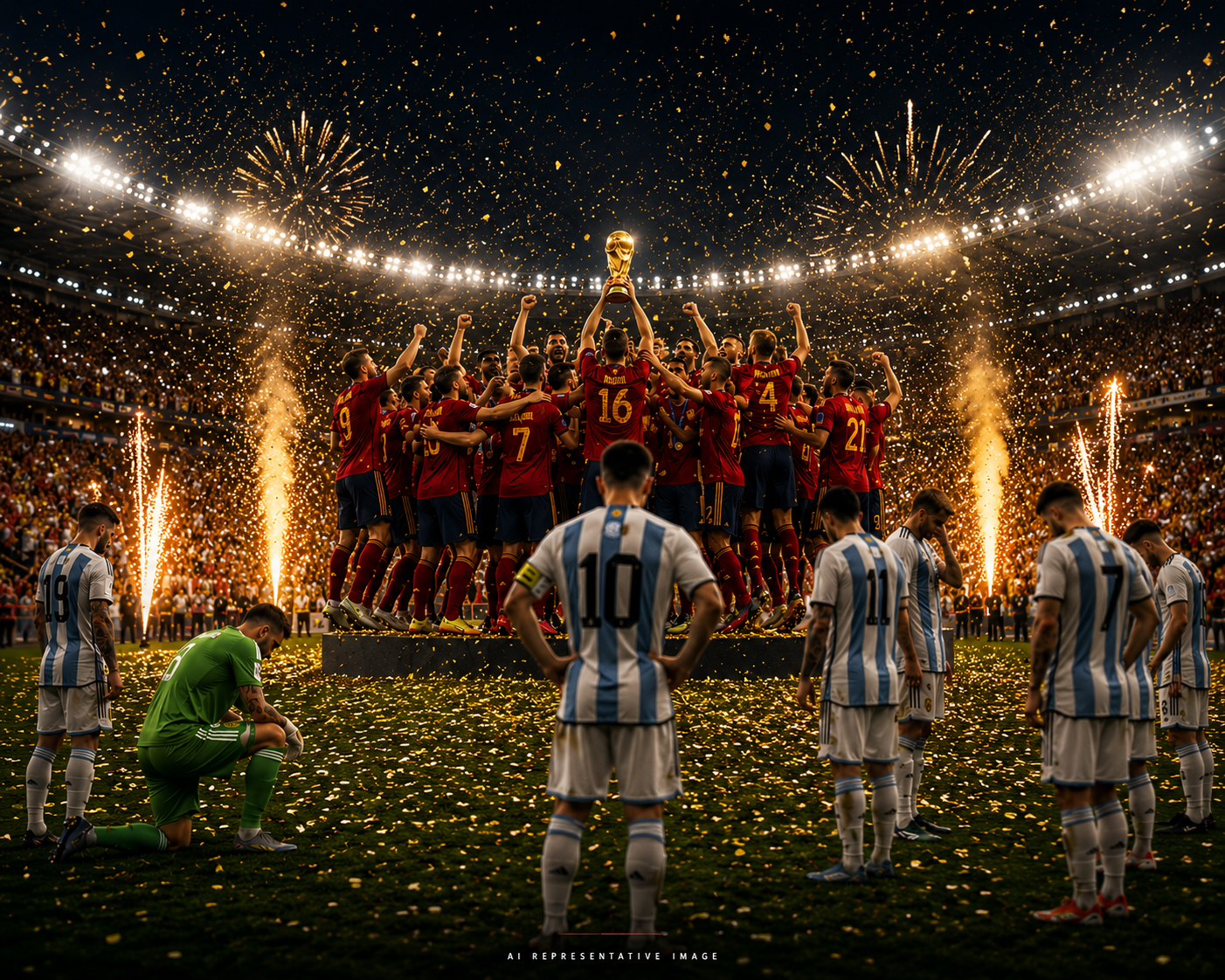
Fernán Torres' extra-time strike ended Argentina's dream of consecutive FIFA World Cup titles as Spain produced a tactical masterclass, conceding just one goal throughout the tournament and announcing the arrival of a new footballing powerhouse.
By Gaurav Ahuja
Analyst, Sports Desk, The Centre
20 July 2026 • 04:30 AM IST • 6 min read

A Final Decided by Patience, Not Panic
World Cup finals are often remembered for moments of brilliance. This one may be remembered for ninety minutes of tactical discipline followed by one decisive moment in extra time.
Spain never looked hurried. They monopolised possession, dictated the tempo and consistently pushed Argentina deeper into their own half. Rather than chasing the game emotionally, the Spaniards trusted their system, believing that sustained pressure would eventually produce the breakthrough.
Did Argentina Wait Too Long?
The biggest tactical question from this final is unlikely to concern Spain. It will concern Argentina. Why did the defending champions wait until they were trailing before taking risks?
Only after conceding did Argentina begin to attack with real urgency. The final seven or eight minutes produced their best football of the evening. Suddenly, Spain's defence was tested, dangerous opportunities emerged and Emiliano Martínez was no longer the busiest Argentine on the pitch.
That raises an uncomfortable question. Had Argentina shown the same attacking intent from the opening whistle, would the outcome have been different?
Instead, they appeared content to absorb pressure for long periods, relying on Martínez and hoping that one moment of brilliance from Messi or a counterattack would be enough. Against a Spanish side this well organised, that proved to be an expensive gamble.
The Red Card That Changed the Ending
Argentina's task became even harder in stoppage time of extra time. Enzo Fernández's red card in the 90+3rd minute of extra time effectively ended any realistic hopes of a comeback. Reduced to ten men and already trailing, Argentina found themselves chasing both the clock and the ball. Although they still managed to create a couple of dangerous moments after Spain's goal, playing with a numerical disadvantage made an already difficult challenge even greater.
Spain's Defence: The Foundation of a World Cup Triumph
Championships are often won by attacks. This World Cup belonged to Spain's defence. Throughout the tournament, Spain conceded only one goal, an extraordinary achievement in modern international football where attacking quality has never been higher. Their back line combined intelligent positioning, relentless pressing and exceptional composure. The midfield protected the defence tirelessly, while the goalkeeper was rarely forced into spectacular saves because Spain prevented clear chances from developing in the first place. The final perfectly reflected the entire campaign. Argentina, one of the strongest attacking sides in world football, spent most of the evening searching for openings that simply did not exist.
The End of One Era, The Beginning of Another
For Lionel Messi, this was a painful ending to what could have been another historic triumph. The television cameras captured the disappointment on his face immediately after Spain's goal. The belief that Argentina could defend their title slowly gave way to the reality that Spain had simply been the better team. For Spain, however, this victory represents far more than lifting another trophy.
It signals the return of a footballing nation that has rebuilt itself with a new generation capable of dominating both possession and the biggest occasions. Winning a World Cup by defeating the defending champions in such commanding fashion is more than a title, it is a statement. The scoreboard will forever record Spain 1-0 Argentina (after extra time).
History, however, should remember something else. This was not merely a narrow victory. It was a tactical masterclass in which Spain controlled almost every aspect of the world's biggest football match and deservedly climbed to the summit of world football.