
Yet thousands of kilometres away in the Pacific Ocean, a climate phenomenon known as El Niño has the potential to influence this vital seasonal system. When El Niño becomes exceptionally strong, scientists often refer to it as a "Super El Niño." Such events are rare but can have far-reaching consequences for weather patterns around the world. For India, the greatest concern is their potential impact on the monsoon.
What Is a Super El Niño?
El Niño occurs when sea surface temperatures in the central and eastern Pacific Ocean become significantly warmer than normal. This warming alters atmospheric circulation patterns, affecting rainfall and temperature across many regions of the world. A Super El Niño is an unusually powerful version of this phenomenon. The most notable examples occurred in 1982–83, 1997–98 and 2015–16. These events were associated with droughts, floods, heatwaves and agricultural disruptions in different parts of the world.
Why Does India Worry?
India receives nearly 70 percent of its annual rainfall during the southwest monsoon season. A weak monsoon can affect:
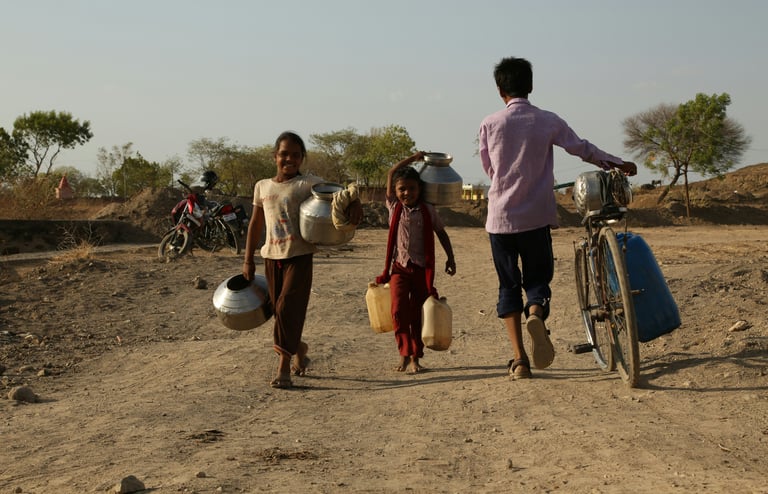
Every year, the arrival of the southwest monsoon determines the rhythm of life across much of India. Farmers plan their sowing cycles, reservoirs await replenishment and policymakers closely track rainfall forecasts.
Lower crop yields
Increased food inflation
Pressure on rural incomes
Water shortages in vulnerable regions
At the same time, some areas may experience intense rainfall events rather than a uniform reduction in precipitation, increasing the risk of floods and infrastructure damage.
Preparing for Uncertainty
The good news is that India today is far better prepared than it was decades ago. Improved weather forecasting, reservoir management, crop planning and disaster response mechanisms provide important safeguards. Nevertheless, climate experts increasingly emphasize the importance of water conservation, efficient irrigation and climate-resilient agriculture.
As scientists continue to monitor Pacific Ocean conditions, one thing remains clear: events occurring thousands of kilometres away can influence the lives of millions across South Asia. For a region where the monsoon remains both an economic engine and a cultural institution, understanding the risks posed by a Super El Niño is no longer merely a scientific exercise. It is a matter of national preparedness.
A rare and exceptionally powerful El Niño event could alter rainfall patterns across South Asia, affecting agriculture, water resources, food prices and the livelihoods of millions. While scientists continue to monitor conditions in the Pacific Ocean, history offers important lessons about what a strong El Niño can mean for India.
By Mrs. Rama Mudaliar
Analyst, Environment & Natural Systems
25 June 2026 • 10:52 PM IST • 5 min read
Agricultural production
Reservoir levels
Groundwater recharge
Hydropower generation
Food prices
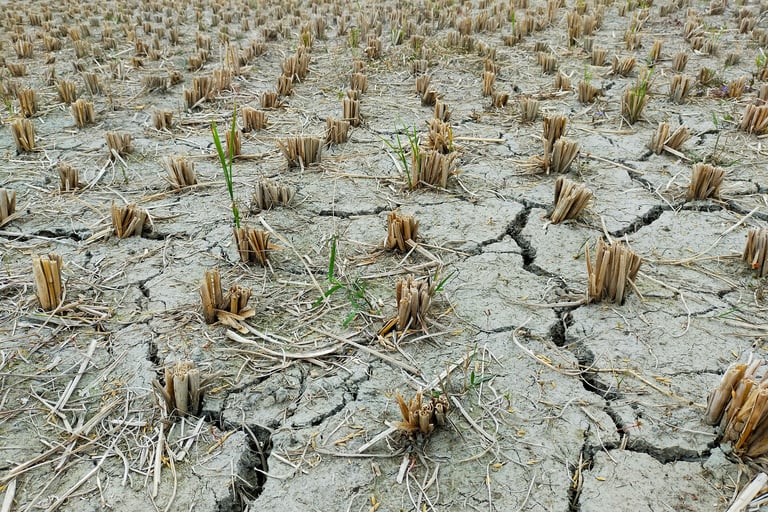
Historically, many El Niño years have been associated with below-normal monsoon rainfall in India.
Although the relationship is not absolute, meteorologists closely monitor Pacific Ocean temperatures because even small shifts can influence rainfall distribution across the subcontinent.
Lessons From History
One of the most severe El Niño-linked climatic disruptions occurred during 1877–78. Large parts of India experienced devastating drought conditions, contributing to one of the worst famines of the nineteenth century.
More recently, the 1997–98 Super El Niño affected weather systems across the globe, while the 2015–16 event contributed to widespread heat and drought conditions in several regions. While modern forecasting, irrigation and food distribution systems have improved resilience, extreme climatic events continue to pose significant risks.
Beyond Rainfall
The impact of a Super El Niño extends beyond whether it rains or not. Reduced rainfall can lead to: