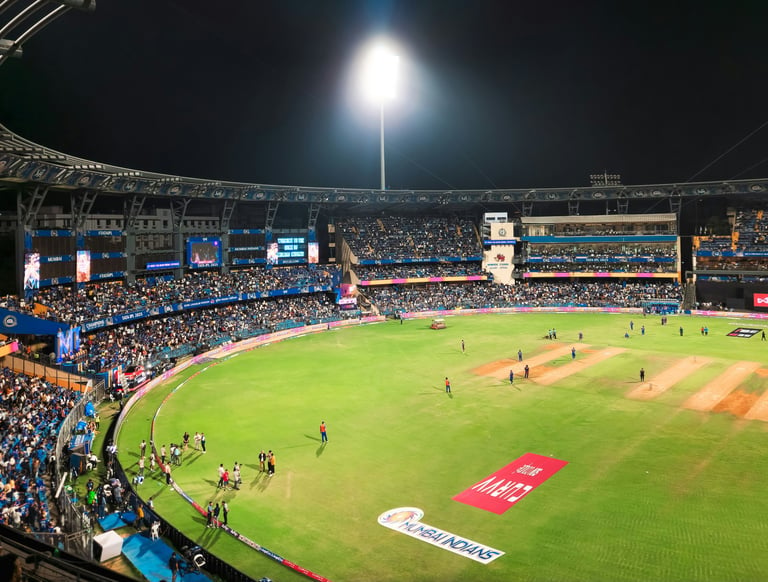
These are not questions born out of one disappointing tour or one defeat. They have existed for years. Winning trophies merely pushed them into the background. Recent setbacks have brought them back into focus. The curious case of Indian cricket is not that it loses occasionally. Every great team does. The curious case is that despite possessing unparalleled resources, Indian cricket often appears uncertain about its own direction.
Success Should Never Silence Questions
Success deserves celebration. Winning an ICC tournament is never easy. It requires planning, skill, temperament and leadership. Those victories cannot be dismissed simply because recent results have disappointed supporters. But success should never become an excuse to avoid introspection. The heavy defeats at home against strong opposition, disappointing overseas performances and recent losses against teams many expected India to beat comfortably have raised questions that deserve honest discussion. Results alone are not the concern. The manner in which recurring weaknesses continue to appear is. A mature cricketing culture should be capable of celebrating triumphs while simultaneously questioning its shortcomings.
The Real Issue Is Governance, Not Individuals
Modern cricket often becomes obsessed with personalities. One defeat becomes the captain's fault. One selection becomes the selector's fault. One poor series becomes the coach's fault. Reality is rarely that simple. Coaches, captains and selectors will always make decisions that divide opinion. Gautam Gambhir has every right to implement the philosophy he believes can take Indian cricket forward. Ajit Agarkar and the selection committee have the responsibility of identifying the best available talent. Every administration inherits challenges and must make difficult choices.
The issue is not that controversial decisions are being made. The issue is that the philosophy behind many of those decisions often remains unclear. Every successful sporting institution develops a recognisable identity that survives changes in personnel. Coaches come and go. Captains retire. Selectors change. The philosophy should remain consistent. At present, Indian cricket appears to be searching for that consistency.
Selection Without a Clearly Defined Roadmap
Selection is never an exact science. No panel will satisfy every supporter. However, there is an important difference between disagreement and confusion. Players are introduced, dropped, recalled and rested with remarkable frequency. Different combinations emerge almost every series. Role definitions often appear to change from one tour to another. Experimentation is essential. But experimentation should ultimately move towards stability. Supporters should be able to understand the direction in which a team is being built. Today, that direction often appears difficult to identify.
The Curious Case of Kuldeep Yadav
Few players illustrate this uncertainty better than Kuldeep Yadav. There is a compelling argument that he is among the finest wrist-spinners in world cricket today. His ability to take wickets, change the tempo of a match and trouble world-class batters has been demonstrated repeatedly across formats. Many international teams would gladly include a bowler of his quality in their starting eleven. Yet India has often treated him as a situational selection rather than one of the first names on the team sheet. This is not merely a debate about one player. It raises a larger question. What qualities does Indian cricket truly value when selecting its best eleven? If match-winning ability alone does not guarantee continuity, then supporters deserve to understand the broader thinking behind those decisions.
This is not an article about one coach, one captain or one selector. It is about whether the world's most powerful cricketing ecosystem has developed a clear philosophy for selection, succession and sustained excellence across all formats of the game.
By Gaurav Ahuja
Analyst, Sports Desk, The Centre
27 July 2026 • 09:10 PM IST • 6 min read
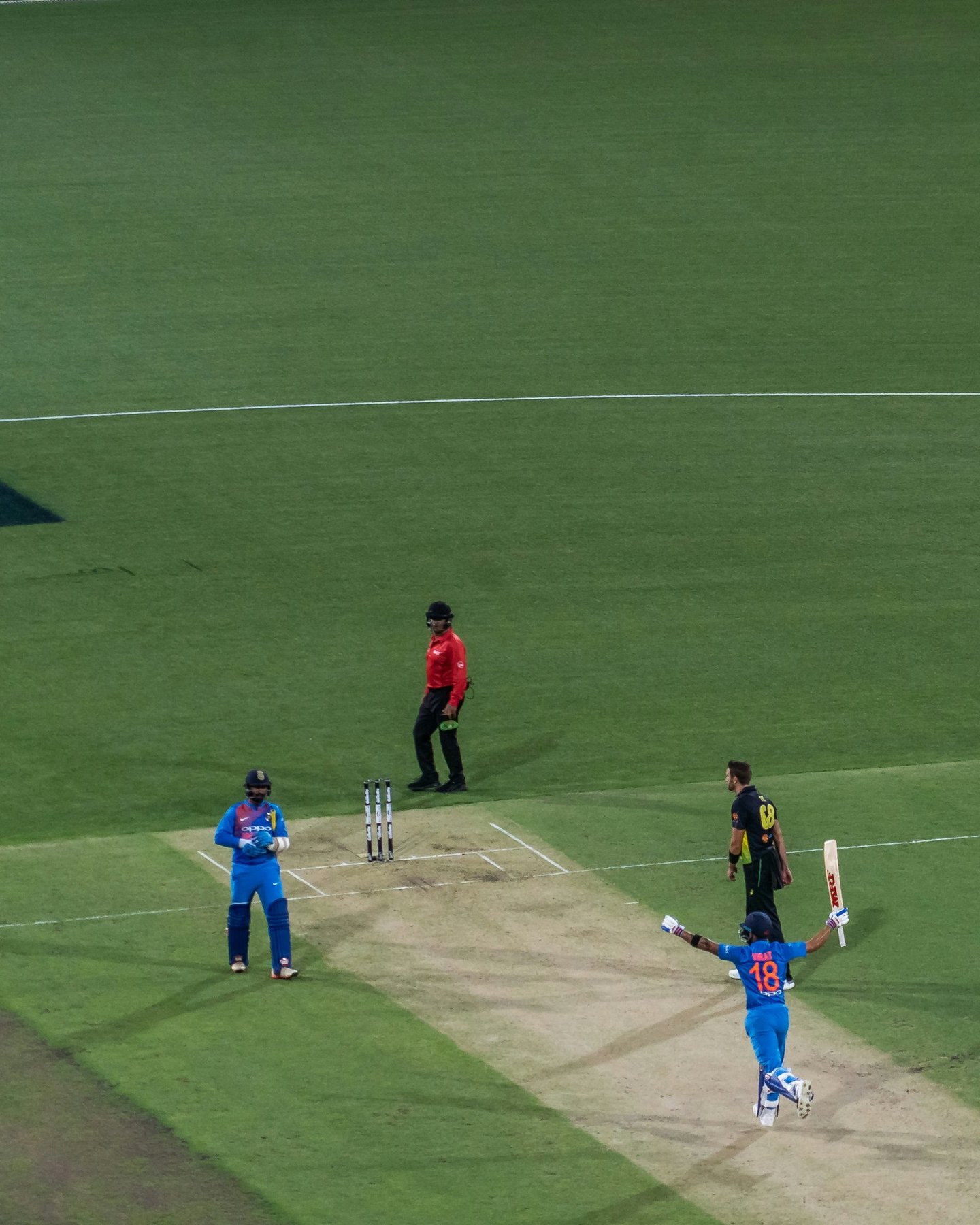
Indian cricket is in an unusual place. On paper, it is the most powerful cricketing ecosystem in the world. It has the richest cricket board, the biggest fan base, the most lucrative franchise league, arguably the deepest talent pool and, over the past few years, remarkable success in ICC tournaments. India lifted the T20 World Cup, followed it with the Champions Trophy, and continues to produce cricketers capable of competing with the very best.
Yet beneath those achievements lies an uncomfortable truth. Every series, every squad announcement and every major selection seems to trigger the same questions. Why does the team lack continuity? What exactly is the long-term plan? Which players are being backed, and why? Is Indian cricket preparing for the future, or simply reacting to the present?
Transition Must Be Planned, Not Assumed
Every great sporting generation eventually reaches its conclusion. No player, regardless of greatness, can play forever. But transition is among the most delicate responsibilities of any sporting administration. It cannot be driven purely by age. Nor can it be postponed indefinitely. It must be guided by performance, fitness, succession planning and clarity. Few players embody this discussion more than Rohit Sharma and Virat Kohli. Both have transformed Indian cricket.
Virat Kohli redefined batting consistency across formats and built one of the fiercest Test teams India has ever produced. Rohit Sharma has built an equally extraordinary legacy. As captain, he has led India to multiple ICC trophies, won five IPL titles as captain and reshaped India's white-ball philosophy through fearless opening batting. Had the 2023 ODI World Cup final produced a different result, discussions comparing his captaincy legacy with Mahendra Singh Dhoni would have become even more compelling than they already are. Legends of this stature deserve to be judged by performance rather than speculation.
Whenever discussions around retirement have intensified, Rohit Sharma has repeatedly answered with performances that remind everyone why replacing greatness is never straightforward. The responsibility of management is therefore not to choose between youth and experience. It is to ensure that succession happens through transparent planning rather than public uncertainty.
The IPL Is Not the Problem
Criticising the IPL has become fashionable. It is also misplaced. The IPL is the finest T20 league in the world. Selecting India's T20 side based substantially on IPL performances is entirely logical. The tournament is specifically designed to test players in the format they are expected to play. The challenge begins when that logic extends beyond T20 cricket. Test cricket remains a different sport altogether. It demands patience, technical discipline, endurance and the ability to succeed over five demanding days in vastly different conditions.
Similarly, One-Day Internationals continue to require innings construction, adaptability and sustained consistency that cannot always be measured through franchise cricket alone. The IPL should remain a pathway. It should never become the only measure.
Where Are India's Next Match Winners?
India's domestic structure produces hundreds of professional cricketers every year. Quantity has never been the issue. The real question is whether the system is consistently producing extraordinary players across all formats. Jasprit Bumrah fundamentally changed India's fast-bowling identity. Mohammed Shami became one of the finest ODI bowlers of his generation. Mohammed Siraj established himself at the highest level.
Beyond them, however, the search for the next genuinely world-class fast bowler appears less certain. India has never possessed greater financial resources, coaching infrastructure or scouting networks. That should make succession easier, not harder. The same question applies beyond fast bowling. Who becomes the next long-term match-winner in Test cricket? Who becomes indispensable rather than merely promising? These are questions Indian cricket must answer over the next decade.
Winning Is Not the Same as Building
Recent ICC trophies prove that Indian cricket remains exceptionally strong. No serious observer should deny that. But building a lasting cricketing culture requires something more enduring than victories. It requires institutional clarity. Supporters should understand the direction of selection. Players should understand their roles. Young cricketers should understand the pathway to the national team. The philosophy should outlast individual coaches, captains and selection committees. That is how sporting dynasties are created.
Beyond the Headlines
Indian cricket has everything required to dominate world cricket for another generation. It has talent. It has money. It has infrastructure. It has passionate supporters and one of the strongest domestic systems in the game. What it requires now is not another revolution. It requires clarity. The questions surrounding selection, succession and long-term planning are not acts of negativity. They are signs that supporters expect Indian cricket to fulfil its extraordinary potential.
Criticism of governance should never be mistaken for criticism of Indian cricket itself. The expectations are high precisely because the standards are high. Winning ICC trophies is worthy of celebration. Building a system that continues producing champions, regardless of who the coach, captain or chief selector may be, is the challenge that still lies ahead. That is the curious case of Indian cricket. It is not searching for talent. It is searching for certainty.