
The underlying philosophy was simple: if water was removed from political disputes, it would reduce mistrust and contribute to long-term regional stability. More than six decades later, that assumption deserves to be revisited.
A Treaty That Survived Wars, But Not Hostility
Supporters of the treaty often point to one remarkable fact, it survived multiple wars and countless diplomatic crises. That is true. But another fact is equally important. The treaty survived. The hostility did not. From the wars of 1965 and 1971 to the Kargil conflict, from decades of cross-border terrorism to repeated military stand-offs, India and Pakistan have continued to remain adversaries despite the treaty. If the broader strategic objective was to build confidence between the two nations, it is reasonable to ask whether that objective has been fulfilled.
India's Changing Security Calculus
India today is not the India of 1960. Its economy is larger, its population has nearly quadrupled, climate pressures have intensified, and water security has become a strategic concern in its own right. At the same time, New Delhi increasingly argues that normal bilateral arrangements cannot remain insulated from persistent cross-border terrorism. That represents a significant shift in strategic thinking. The debate is no longer confined to engineering or water management. It has become intertwined with national security.
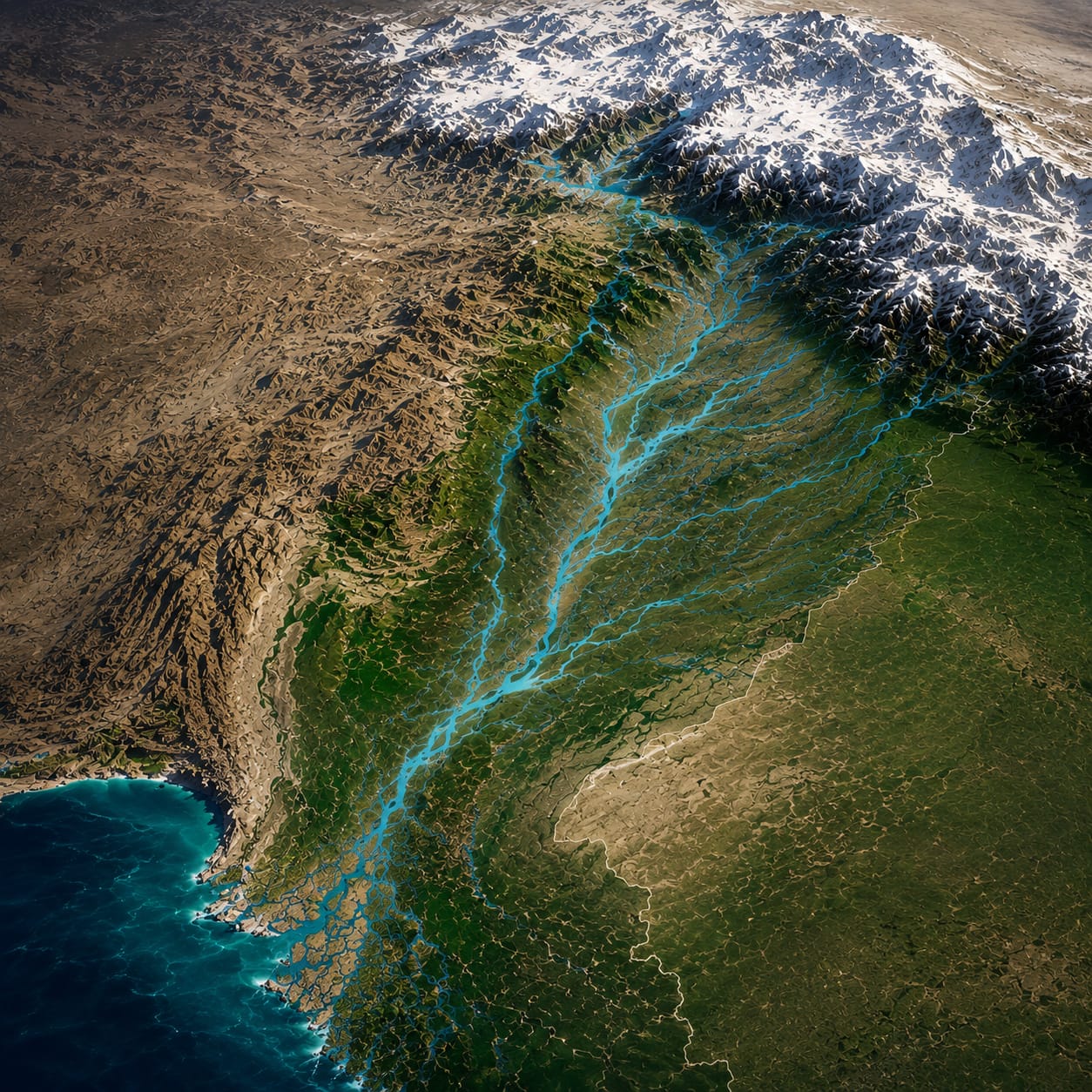
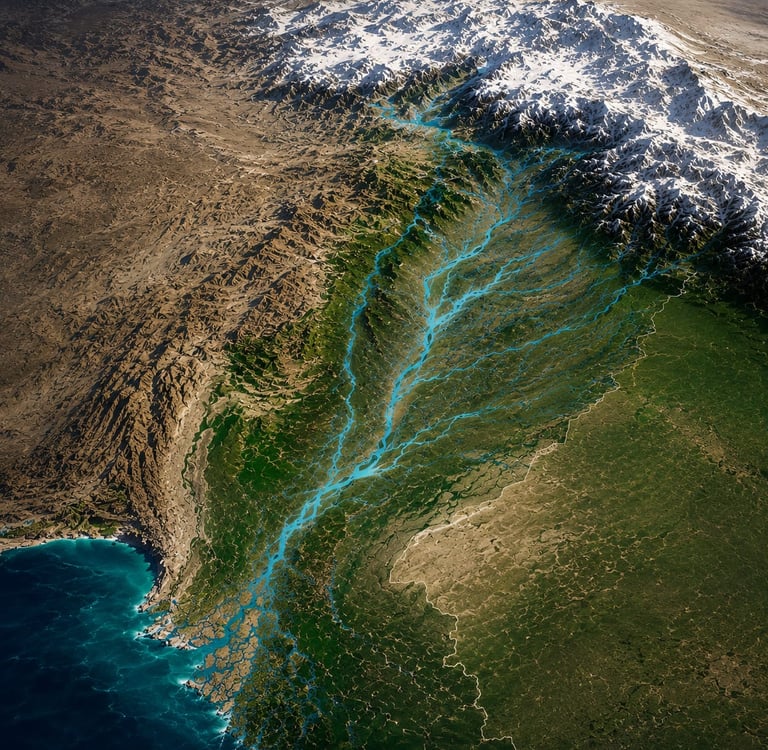
When India and Pakistan signed the Indus Waters Treaty in 1960, the agreement was widely regarded as a remarkable diplomatic achievement. Despite the bitterness of Partition, both countries agreed to create a framework that would ensure the uninterrupted sharing of one of the world's largest river systems.
The Forgotten Groundwater Challenge
Another issue receives far less attention. The treaty governs surface rivers. It does not govern groundwater. Aquifers do not recognise political boundaries. Sustainable groundwater management on one side of the border can influence conditions on the other, making long-term water cooperation more complex than the treaty itself suggests. As climate change accelerates and water demand continues to rise, groundwater may become as strategically important as the rivers themselves.
Looking Beyond 1960
No international agreement should be treated as permanently immune from changing realities. Every treaty reflects the assumptions of its time. The question facing India today is not whether cooperation over water is desirable. It certainly is.
The question is whether a framework negotiated more than six decades ago continues to reflect present-day realities, including terrorism, climate stress, rising domestic demand, infrastructure development and national security considerations. Revisiting a treaty is not necessarily an argument for abandoning cooperation. Sometimes, it is an acknowledgement that history has moved forward and agreements must evolve with it.
The treaty was designed to remove water as a source of conflict between India and Pakistan. More than six decades later, a fundamental question remains: has it achieved that objective?
By Abhinav Mudaliar
Chief Analyst, The Centre
06 July 2026 • 6:45 PM IST • 7 min read
Using What Already Belongs to India
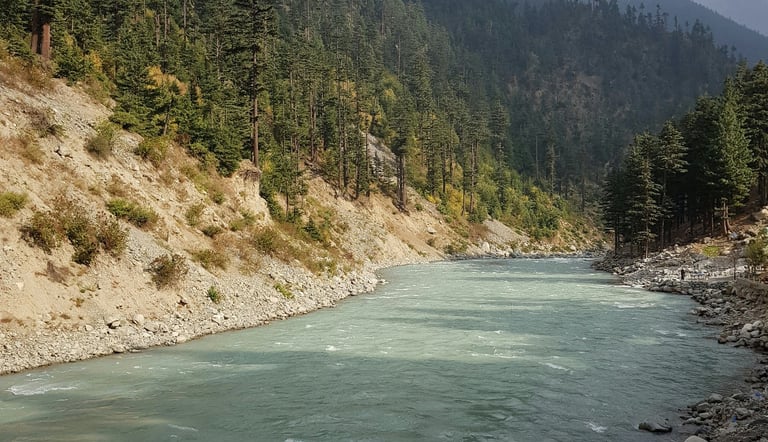
One misconception often dominates public discussion. Many assume that any attempt by India to increase its utilisation of river waters automatically amounts to violating the treaty. That is not necessarily the case.
For decades, India has not fully utilised portions of the water allocated to it under the treaty. Developing infrastructure to make better use of its own entitlement is fundamentally different from denying another country water to which it is legally entitled.
The real policy question is therefore not whether India should violate an agreement. It is whether India should continue under a framework designed for the strategic realities of 1960.